Ivory Culture: A Versatile Display Font for Modern Branding and Creative Projects
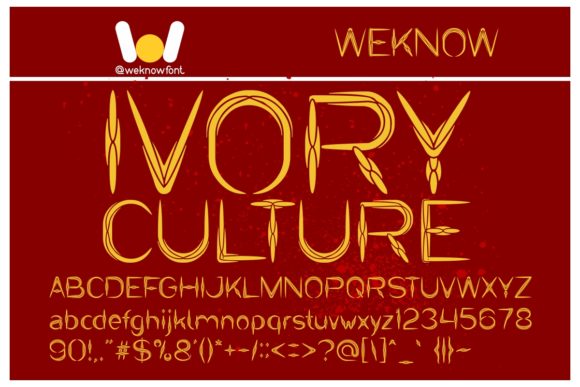
Ivory Culture is a display font that stands out with its elegant, refined aesthetic. Designed to capture attention while maintaining readability, it offers a unique visual identity that can elevate any project. Whether you're working on branding materials, product packaging, or digital content, Ivory Culture provides a professional and stylish solution that blends seamlessly into various creative workflows.
Understanding the Role of Ivory Culture in Design Workflows
Fonts are more than just letters; they are essential components of visual communication. Ivory Culture, in particular, is crafted to serve as a display font—ideal for headings, logos, and other prominent text elements. Its clean lines and subtle variations make it suitable for both modern and traditional design styles.
Incorporating Ivory Culture into your workflow begins with understanding where it fits best. As a display font, it should be used sparingly but effectively. It works well in situations where you want to draw attention to a specific message without overwhelming the viewer. This makes it an excellent choice for headlines, call-to-action buttons, and brand names.
When to Use Ivory Culture in Your Projects
Ivory Culture can be integrated into different stages of a project:
- Before Starting a Project: When planning your design, consider how Ivory Culture will complement your overall theme and message. It's useful for brainstorming sessions where typography plays a key role in conveying your brand’s personality.
- During the Creation Process: Once you begin designing, use Ivory Culture for titles, headers, and other focal points. Its versatility allows it to work well with both minimalist and intricate layouts.
- After Finalizing the Design: During the review phase, ensure that Ivory Culture maintains its clarity and impact across different platforms and sizes. Test it on screens, print materials, and mobile devices to confirm consistency.
Integrating Ivory Culture with Other Tools and Resources
One of the strengths of Ivory Culture is its compatibility with a wide range of design tools and platforms. Whether you're using Adobe Creative Suite, Canva, or Figma, this font can be easily imported and applied to your projects. Its file formats (such as OTF and TTF) ensure that it works smoothly across different operating systems and software environments.
For those who prefer online tools, many web-based design platforms support custom fonts like Ivory Culture. This makes it easy to apply the font directly within your browser, eliminating the need for additional software installations. Additionally, since it's a display font, it pairs well with sans-serif or serif fonts for body text, creating a balanced and visually appealing layout.
Workflow Examples for Using Ivory Culture
Here are a few practical examples of how you can implement Ivory Culture into your workflow:
- Branding Materials: Use Ivory Culture for logo designs, business cards, and company presentations. Its refined look adds a touch of sophistication that aligns with professional branding standards.
- Product Packaging: Apply it to labels, tags, and packaging inserts. The font’s clarity ensures that important information such as product names and descriptions remains legible even at smaller sizes.
- Event Invitations: Incorporate Ivory Culture into digital or printed invitations. Its elegance makes it ideal for weddings, conferences, and special events where aesthetics play a crucial role.
- Marketing Content: Utilize it in social media posts, email newsletters, and promotional banners. Its attention-grabbing nature helps highlight key messages and calls to action.
Practical Tips for Using Ivory Culture Effectively
To get the most out of Ivory Culture, consider the following tips:
- Pair Wisely: Choose complementary fonts for body text to maintain readability. Pairing Ivory Culture with a clean sans-serif font like Helvetica or Arial can create a balanced visual hierarchy.
- Use Sparingly: Since it's a display font, avoid overusing it. Reserve it for headings and titles rather than long blocks of text.
- Test Across Platforms: Ensure that Ivory Culture renders correctly on different devices and screen sizes. This is especially important if you're designing for web or mobile applications.
- Stay Consistent: Maintain a consistent style throughout your project. If you're using Ivory Culture for multiple elements, keep the font size, weight, and color uniform to avoid visual clutter.
Long-Term Use and Quality Control
When considering long-term use of Ivory Culture, it's important to evaluate its durability and adaptability. As a high-quality display font, it's designed to remain legible and visually appealing over time. However, it's always wise to periodically review your designs to ensure that the font continues to meet your needs as your brand or project evolves.
Additionally, keeping track of font licenses is crucial, especially if you're using Ivory Culture for commercial purposes. Make sure you have the appropriate permissions to use the font in all intended contexts, including print, digital, and web-based applications.
Conclusion
Ivory Culture is more than just a font—it's a tool that enhances your creative process and helps you achieve professional results. Whether you're working on branding, marketing, or personal projects, its versatility and elegance make it a valuable addition to your design toolkit. By integrating Ivory Culture thoughtfully into your workflow, you can create visually compelling content that resonates with your audience and supports your goals.