Wild Font: A Bold Display Type for Dramatic Design
The Power of Typography in Visual Storytelling
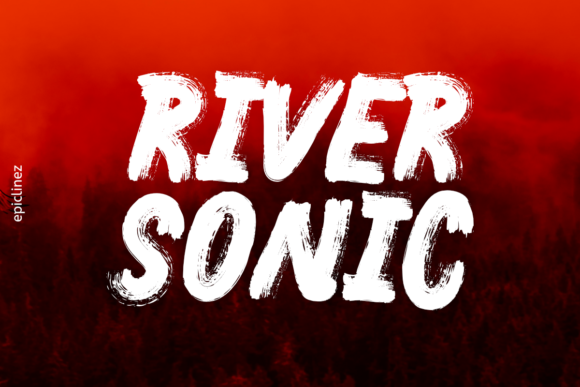
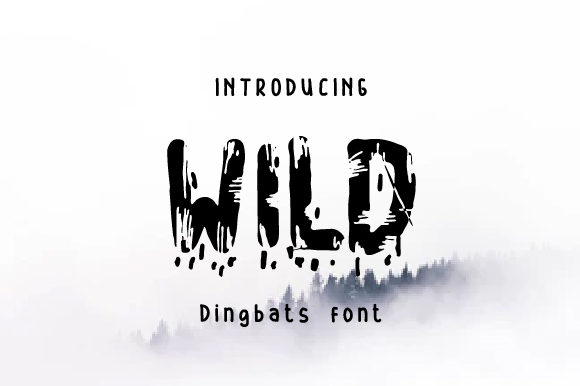
Typography is more than just choosing a font; it's about crafting the mood, tone, and message of any design. When it comes to making a strong visual impact, Wild stands out as a display font that delivers boldness and drama. With its rough lettered style, Wild brings an energy that can transform ordinary text into a powerful statement.
Designed with a sense of rebellion and raw edge, Wild is ideal for projects that require attention-grabbing headlines or eye-catching logos. Its unique character shapes and irregular spacing give each letter a sense of movement and intensity. This makes it particularly well-suited for branding that wants to convey strength, freedom, or an adventurous spirit.
Why Choose Wild for Your Design Projects?
Wild is not your typical sans-serif or serif font. It’s a typeface built for contrast and charisma. Whether you're designing a poster, creating a website header, or working on a brand identity, Wild offers a fresh take on typography that can elevate your work.
- Versatility: While Wild is primarily a display font, its versatility allows it to be used in various contexts when paired with more traditional fonts.
- Emotional Impact: The rough edges and uneven strokes evoke a sense of urgency and passion, making it perfect for campaigns that aim to stir emotions.
- Memorable Branding: Using Wild in your logo or marketing materials can help your brand stand out in a crowded market.
Consider using Wild for slogans, titles, or taglines where you want to make a lasting impression. Its dramatic look ensures that your message isn’t just read—it’s felt.
Integrating Wild Into Modern Design Workflows
In today’s digital age, design workflows are fast-paced and often require quick decisions. Wild fits seamlessly into these environments by offering a ready-made solution for high-impact typography. Many graphic designers and web developers use it for hero sections on websites, banners, and social media posts.
One practical benefit of Wild is its compatibility with popular design software like Adobe Photoshop, Illustrator, and even online tools such as Canva. You can easily download it from font repositories and start experimenting with different layouts and color schemes.
Another advantage is its scalability. Whether you're working on a small project or a large-scale campaign, Wild adapts well to different sizes without losing its visual appeal. This makes it a go-to choice for both print and digital media.
Scenarios Where Wild Shines
Let’s explore some real-world scenarios where Wild can be a game-changer:
- Music Festival Posters: The bold and edgy look of Wild complements the vibrant and energetic atmosphere of music festivals.
- Adventure Tourism Campaigns: For brands promoting extreme sports or travel experiences, Wild helps convey the thrill and excitement of the journey.
- Startup Branding: Startups looking to establish a strong identity can use Wild to communicate innovation and boldness.
These examples highlight how Wild can be tailored to fit different industries and purposes. Its ability to adapt while maintaining its core characteristics is what makes it so valuable in modern design.
Practical Tips for Using Wild Effectively
To get the most out of Wild, consider the following tips:
- Contrast is Key: Pair Wild with a clean, minimalist font for body text to ensure readability without sacrificing style.
- Color Matters: Experiment with dark colors like black or deep red to enhance the boldness of the font. Lighter shades may not bring out its full potential.
- Limit Usage: Because Wild is a display font, use it sparingly. Overusing it can lead to clutter and reduce its effectiveness.
- Test on Different Backgrounds: Ensure that Wild looks good against various backgrounds, especially if you're using it for digital content.
By keeping these considerations in mind, you can ensure that Wild enhances rather than overwhelms your design.
Wild in the Context of Web Design
In web design, first impressions matter. Wild can play a crucial role in capturing the user’s attention right away. It’s commonly used for headlines, call-to-action buttons, and section titles.
However, it’s important to balance aesthetics with usability. While Wild is visually striking, it should never compromise the legibility of your content. Always test how it appears on different screen sizes and devices to ensure a consistent experience across platforms.
Many web developers also appreciate Wild for its ability to add personality to a site. It’s especially effective when used in combination with modern, flat design elements or retro-inspired layouts.
Final Thoughts on Wild Typography
Wild is more than just a font—it's a tool for expression. Whether you're a designer, marketer, or entrepreneur, incorporating Wild into your projects can help you create visuals that resonate deeply with your audience.
Its bold and rough lettered style gives every design a dramatic flair that can't be ignored. As long as it's used thoughtfully and strategically, Wild can become a powerful asset in your creative toolkit.